ONE OBJECT
The centre often wins
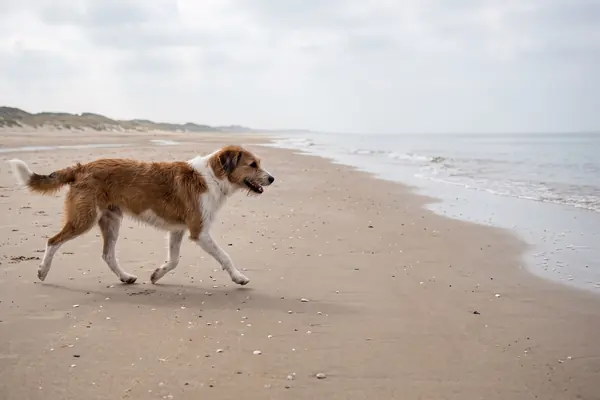
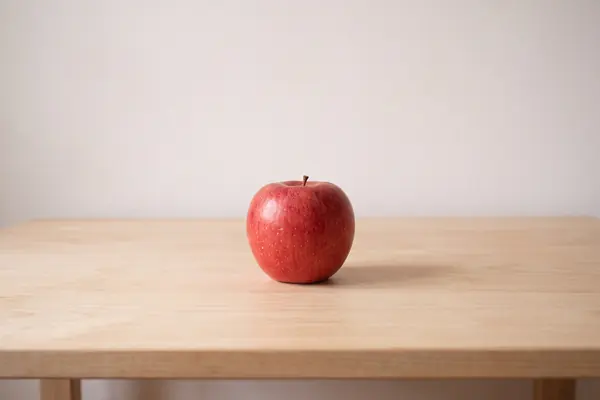
In Palmer lab tests of a single fish, dog or eagle at nine grid points, the centre was the most preferred position, most strongly for objects facing forward.
Try a placement doodleshooter
00WHAT THE STUDIES FOUND

The rule of thirds is a starting point, not a law.
Photography guides tell you to put the subject on a third line. When researchers measured real photos, paintings and people's preferences, the picture was more interesting: the centre often wins, and the direction a subject faces matters more.
Place a subject01Principles
02THE SHORT ANSWER
Three findings from the research on spatial composition.
None of them is the simple nine-box grid.
ONE OBJECT
In Palmer lab tests of a single fish, dog or eagle at nine grid points, the centre was the most preferred position, most strongly for objects facing forward.
Try a placementFACING
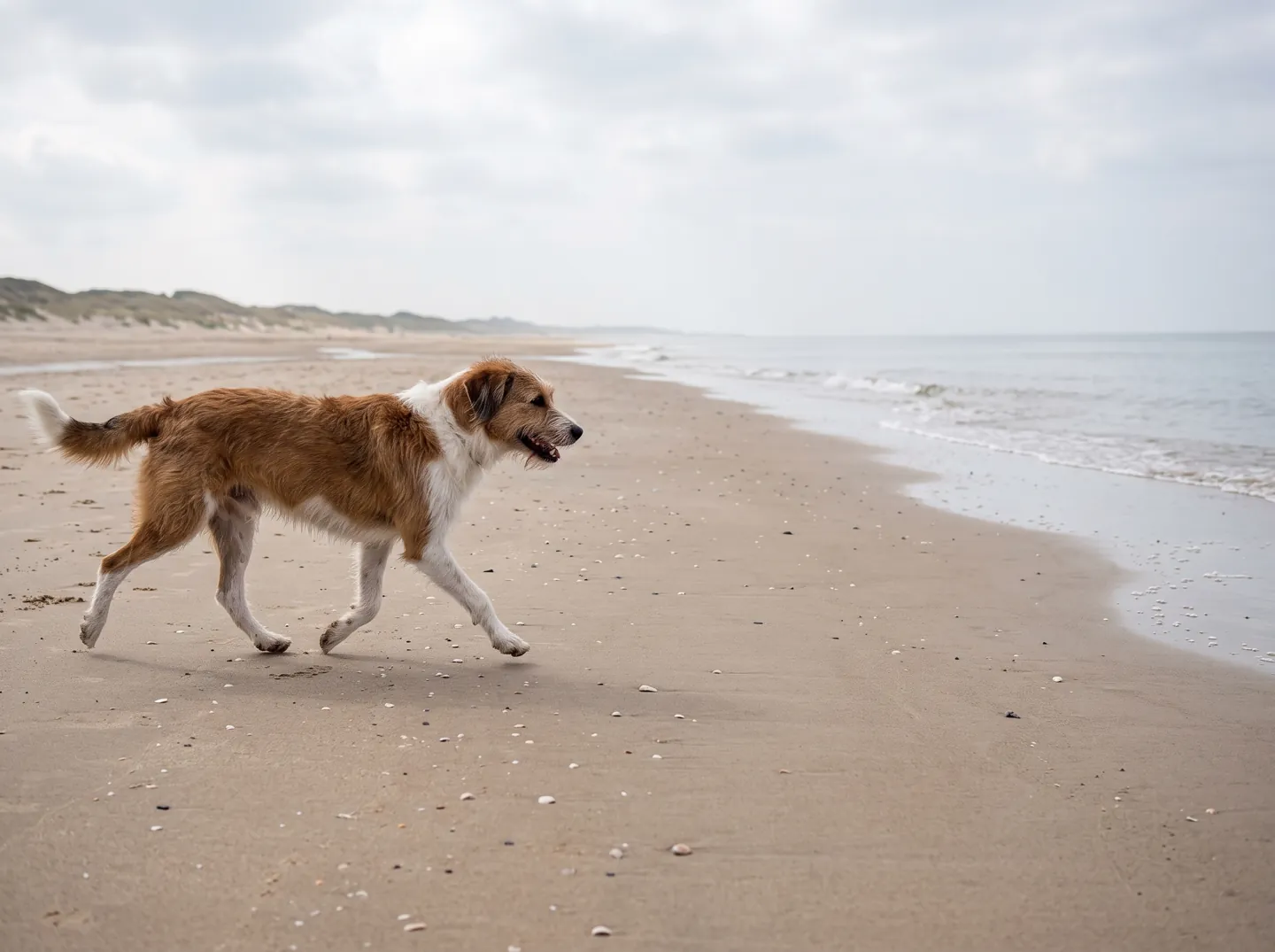
Objects facing left or right were preferred off-centre, towards the side they face away from, so they look into the frame. Researchers call it the inward bias.
Use it on a shootORIGIN
John Thomas Smith named the rule in 1797. He meant proportions of light to shade and sky to land, about two-thirds to one-third, not grid intersections.
See the numbers03A QUICK PLACEMENT CHECK
Pick a kind of picture. The bar shows how far from the centre people in the experiments preferred the main subject to sit.
Based on preference experiments with simple pictures; real scenes have more going on.
04TWO NUMBERS WORTH KNOWING
One date for where the rule began,
one test of whether great pictures follow it.
1797
Year the 'rule of thirds' was named
In Remarks on Rural Scenery, John Thomas Smith called it a 'Rule of thirds', noting that in pictures by Rembrandt above two-thirds of the picture was in shadow, and applied the same ratio to sky and land.
ORIGIN · SMITH 1797
727 paintings
Paintings scored against the rule by computer
Along with 200 highly rated photos, the paintings scored about as low on rule-of-thirds measures as photos chosen because they do not follow the rule.
PAINTINGS · AMIRSHAHI ET AL. 2014
Amirshahi and colleagues concluded that the rule seems to play only a minor role, if any, in large sets of high-quality photographs and paintings, though it may help beginners give their pictures a structure.
05FOUR HABITS TO TRY
The researchers do not say the grid is useless. Palmer's group suggests it can be a helpful nudge to try off-centre placements where they work. These habits follow the findings.
A symmetrical subject facing you was most liked in the middle of the frame. Take that shot as well as the off-centre one and compare.
Place a person or animal facing left on the right of the frame, and the other way round, so there is space in front of them.
Decide whether sky or land is the story and give it about two-thirds, as Smith suggested in 1797.
With two subjects that belong together, keep them close without overlapping; spread unrelated ones apart.
06WHY THE RULE SURVIVES
Amirshahi and colleagues could only speculate why the rule is so prominent in photography and art textbooks. They suggest it may reflect a wish to pin down rules of composition, much like the golden section.
They also note it may help beginners give their pictures a visual structure under conscious control, and that artists may drop it as they gain an intuitive feel for composition.
07Questions
The name comes from John Thomas Smith's 1797 book Remarks on Rural Scenery. He used it for the balance of light and shade and for proportions such as sky to land, about two-thirds to one-third.
Not especially, in one large test. Amirshahi and colleagues found top-rated photos and 727 paintings scored about as low on computed rule-of-thirds measures as photos that do not follow the rule.
No. In Palmer lab experiments the centre was the most preferred position for a single object, and the preference was strongest for symmetrical objects facing forward.
People preferred side-facing objects placed away from the centre on the side opposite their facing direction, so they look into the frame. This is called the inward bias.
The researchers suggest it can help beginners and encourage off-centre placements when they suit the whole image. Treat it as one option to try, not a requirement.
08Sources
ABOUT THIS NAME
doodleshooter.com is part of the DoodleSale portfolio. It isn't in an auction right now, but you can ask about leasing it.